


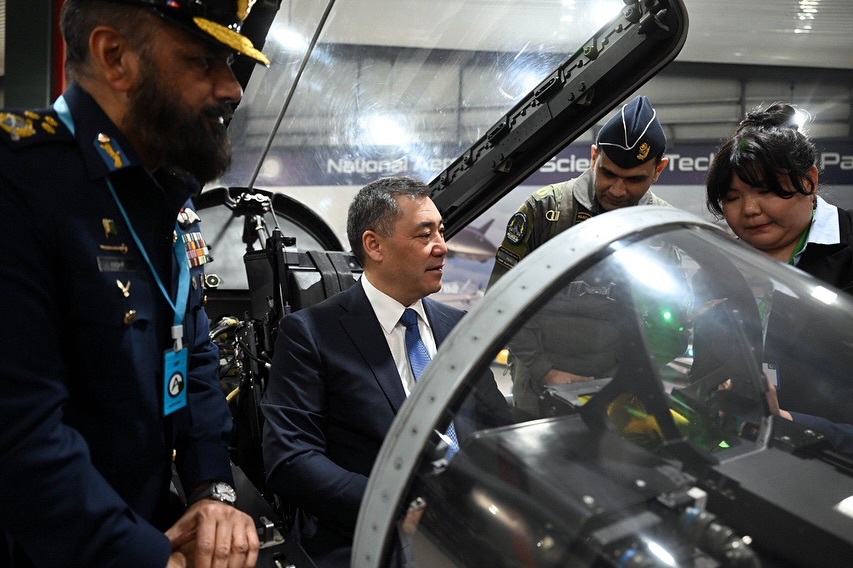

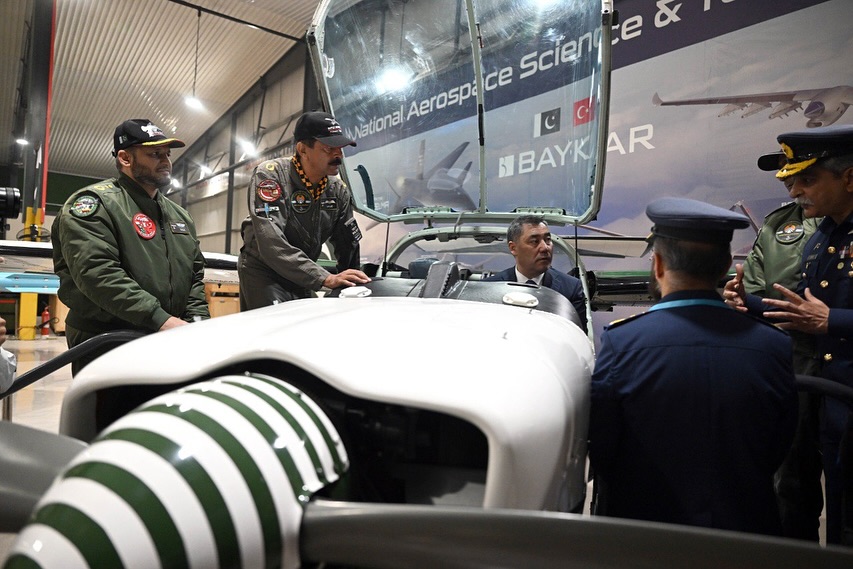
Kyrgyzstan has expressed significant interest in Pakistan’s JF-17 Thunder Block III fighter aircraft as President Sadyr Zhaparov viewed the advanced combat platform during his official state visit. The development signals deepening defense cooperation and showcases Pakistan’s growing success as a defense manufacturer and reliable partner.
Islamabad, December 5, 2025 — In a significant development for Pakistan’s defense industry and regional partnerships, Kyrgyz President Sadyr Zhaparov expressed strong interest in the indigenously produced JF-17 Thunder Block III fighter aircraft during his official state visit to Pakistan.
President Zhaparov personally viewed the advanced multi-role combat aircraft during a visit to a National Aerospace Science and Technology Park (NASTP) facility, marking a pivotal moment in the evolving defense relationship between the two nations.
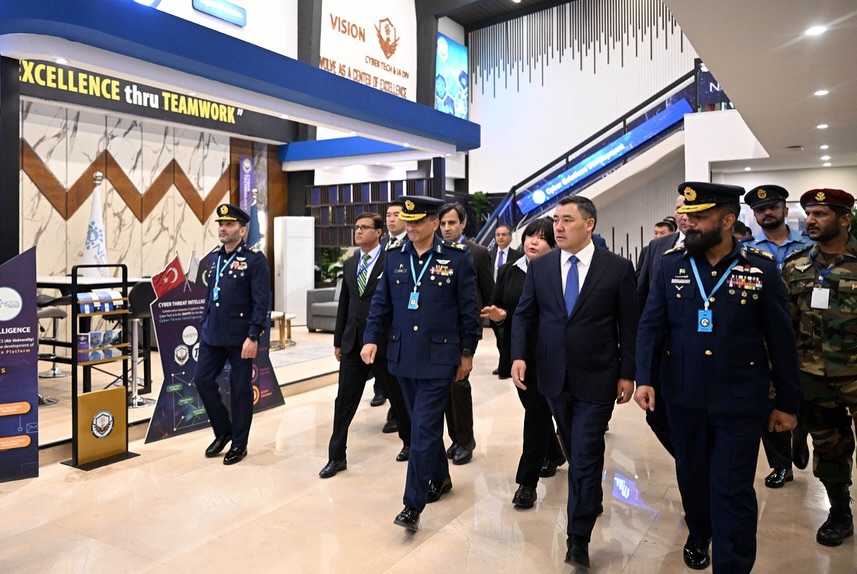
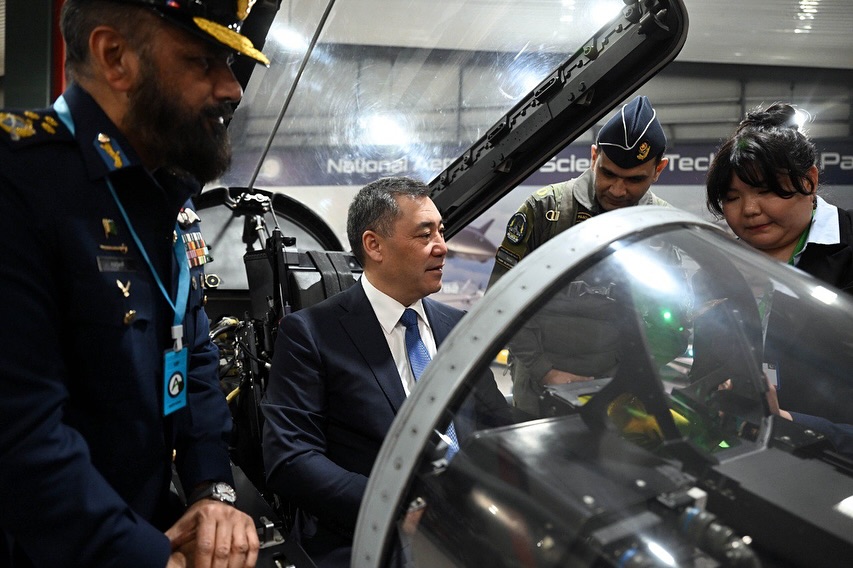
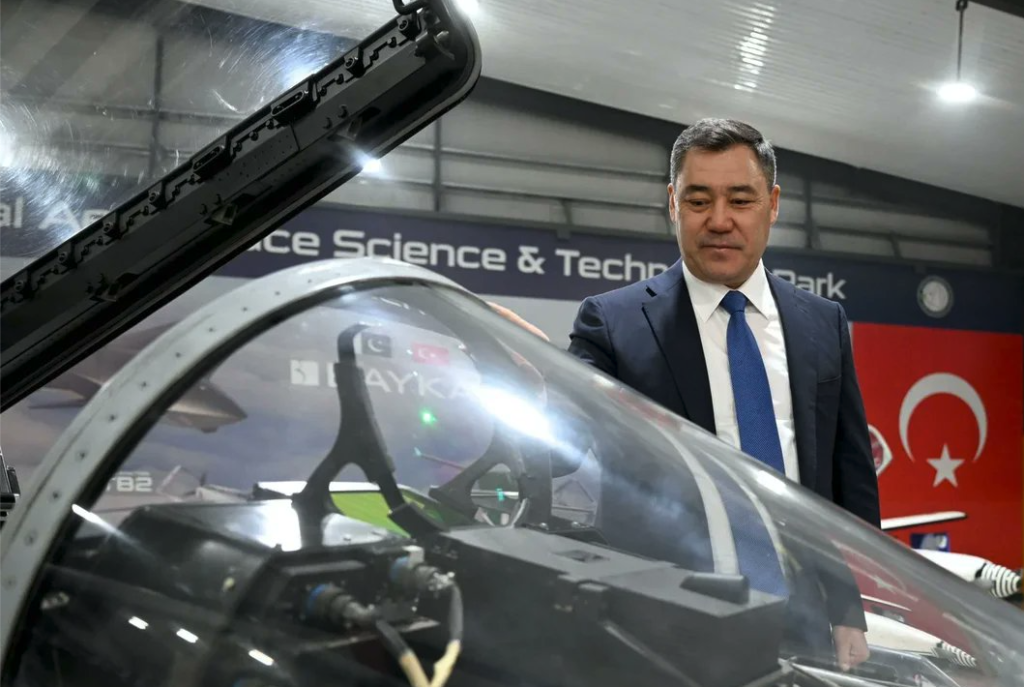
A Showcase of Indigenous Excellence
The JF-17 Thunder Block III represents the pinnacle of Pakistan’s aerospace capabilities, jointly developed with China and manufactured by Pakistan Aeronautical Complex (PAC). The aircraft has garnered international attention for its sophisticated avionics, upgraded sensors, and advanced combat capabilities that rival far more expensive fourth-generation fighters.
The Kyrgyz president’s visit to the NASTP facility provided a comprehensive demonstration of the aircraft’s capabilities, with Pakistani defense officials highlighting the Block III variant’s cutting-edge features including an Active Electronically Scanned Array (AESA) radar, improved electronic warfare systems, and enhanced weapons integration.
Strategic Partnership Deepens
President Zhaparov’s official visit to Pakistan comes at a time when Central Asian nations are actively modernizing their defense capabilities and seeking reliable partners for military cooperation. The interest in the JF-17 Thunder signals Kyrgyzstan’s confidence in Pakistan’s defense manufacturing prowess and the aircraft’s proven operational track record.
“This visit represents more than just an aircraft viewing—it symbolizes the deepening strategic partnership between Pakistan and Kyrgyzstan,” said a senior official familiar with the discussions. “The JF-17 Block III offers Central Asian nations an affordable yet highly capable platform that meets modern air defense requirements.”
The timing of this development is particularly significant as it demonstrates Pakistan’s growing influence in Central Asia, a region of increasing geopolitical importance. Defense cooperation could serve as an anchor for broader economic and strategic ties between the two nations.
JF-17 Block III: A Game-Changing Platform
The JF-17 Thunder has already proven its worth in the Pakistan Air Force, where it forms the backbone of the country’s air defense capabilities. The Block III variant, introduced in recent years, incorporates numerous enhancements that place it firmly in the category of modern multi-role fighters.
Key features that have attracted international interest include:
The aircraft’s sophisticated AESA radar provides superior target detection and tracking capabilities, allowing it to engage multiple threats simultaneously. Advanced avionics and sensor fusion give pilots unprecedented situational awareness, while modern electronic warfare systems ensure survivability in contested environments.
The Block III’s weapons package includes compatibility with both Chinese and Western armaments, providing operators with flexible options for their specific operational requirements. This versatility, combined with relatively low acquisition and operating costs, makes the JF-17 an attractive proposition for nations seeking to modernize their air forces without breaking the bank.
Pakistan’s Growing Defense Export Success
Kyrgyzstan’s interest adds to the growing list of nations that have shown keen attention to Pakistan’s flagship fighter program. The JF-17 Thunder has already been exported to Myanmar, Nigeria, and Azerbaijan, with several other countries conducting evaluations.
This export success demonstrates Pakistan’s maturation as a defense manufacturer capable of producing world-class military equipment. The JF-17 program has also created thousands of high-skilled jobs in Pakistan and contributed significantly to the country’s aerospace and defense industrial base.
The aircraft’s appeal lies not just in its technical capabilities but in Pakistan’s reputation as a reliable defense partner. Unlike some suppliers who attach political conditions to military sales, Pakistan has built relationships based on mutual respect and long-term cooperation.
Regional Implications
Kyrgyzstan’s potential acquisition of JF-17 fighters would mark a significant shift in Central Asian defense procurement patterns. Traditionally reliant on Russian equipment, Central Asian nations are increasingly diversifying their defense partnerships as they navigate complex regional dynamics.
For Pakistan, successful defense cooperation with Kyrgyzstan could open doors to other Central Asian republics, creating a new market for Pakistani defense exports and strengthening Islamabad’s strategic footprint in the region. This aligns with Pakistan’s broader vision of enhanced connectivity and cooperation with Central Asia.
The visit also underscores Central Asia’s recognition of Pakistan’s technological capabilities and manufacturing quality. As nations in the region seek to modernize their armed forces with cost-effective solutions, Pakistan’s defense industry is well-positioned to meet these requirements.
Looking Ahead
While President Zhaparov’s visit represents an important first step, defense acquisitions typically involve extensive evaluations, negotiations, and technical assessments. However, the high-level attention given to the JF-17 during this state visit indicates serious interest from the Kyrgyz leadership.
Pakistani officials expressed optimism about the prospects for defense cooperation, noting that the discussions extended beyond just aircraft sales to encompass training, maintenance, and long-term partnership frameworks. Such comprehensive cooperation would create lasting bonds between the two nations’ defense establishments.
The JF-17 Thunder’s continued international success also validates Pakistan’s investment in indigenous defense production. As more nations express interest in the platform, Pakistan’s aerospace industry gains valuable experience, revenue, and international recognition.
A Symbol of Progress
President Zhaparov’s visit to the NASTP facility and his interest in the JF-17 Block III reflects the broader trajectory of Pakistan’s defense industry—from being primarily an importer to becoming a capable manufacturer and exporter of sophisticated military equipment.
For Kyrgyzstan, the JF-17 offers an opportunity to acquire modern combat capability through a partnership with a nation that shares cultural ties and strategic interests. The aircraft’s proven performance, advanced features, and competitive pricing make it an attractive option for nations seeking to enhance their air defense capabilities.
As the two nations continue discussions, this development marks a promising chapter in Pakistan-Kyrgyzstan relations and demonstrates Pakistan’s growing role as a defense partner of choice for nations seeking reliable, high-quality military equipment backed by genuine partnership and cooperation.
The coming months will reveal whether this interest translates into a concrete acquisition program, but regardless of the outcome, President Zhaparov’s visit has already achieved something significant: showcasing Pakistan’s technological prowess and strengthening bilateral ties with a key Central Asian partner.
Discover more from JUST UNTOLD STORY
Subscribe to get the latest posts sent to your email.