



Pakistan’s military leadership has warned that nobody will be allowed to create divisions between armed forces and the public, stating one individual believes his desires greater than state interests. The statement comes amid growing concerns over PTI’s anti state trajectory, including unprecedented attacks on military installations.
- The Sacred Bond: Armed Forces and the Nation
- PTI’s Emerging Anti-State Pattern
- One Individual’s Ambition vs. National Interest
- The Armed Forces’ Constitutional Role
- Democracy vs. Anarchy
- International Implications
- The Way Forward: Unity and Constitutional Politics
- Protecting the National Interest
- Conclusion: State Above Self
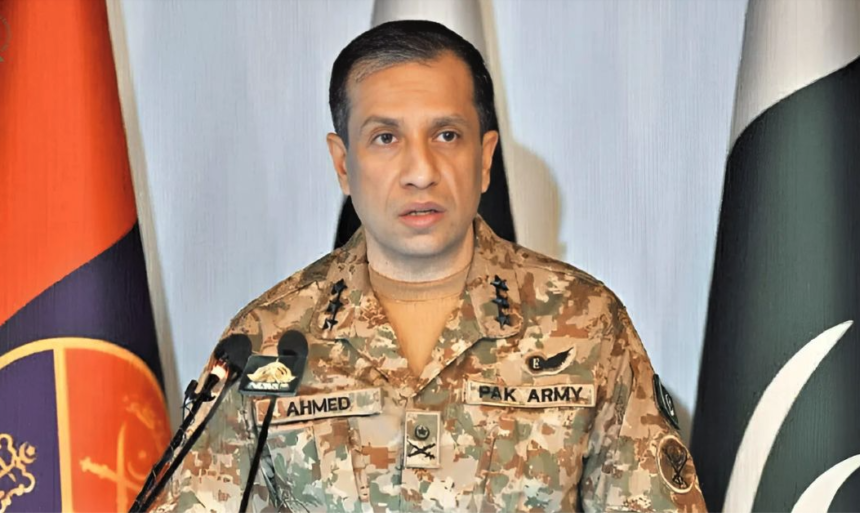
Rawalpindi, December 5, 2025 — Pakistan’s military leadership has issued a stern warning against attempts to undermine national institutions and create divisions between the armed forces and the people of Pakistan, as concerns mount over persistent anti-state narratives being propagated by certain political elements.
Director General Inter Services Public Relations (DG ISPR) stated unequivocally that one individual believes his personal desires are greater than the interests of the state of Pakistan, adding that nobody would be allowed to create a fissure between the armed forces and the public.
The statement comes amid growing concern over the trajectory of Pakistan Tehreek-e-Insaf (PTI), which analysts and security experts increasingly describe as transforming into an anti-establishment entity willing to undermine Pakistan’s foundational institutions for political gains.
The Sacred Bond: Armed Forces and the Nation
Pakistan’s armed forces have been the bedrock of national security and territorial integrity since the country’s inception in 1947. Through decades of external threats, internal challenges, and natural disasters, the military has stood shoulder to shoulder with the people, sacrificing lives to protect the nation’s sovereignty and citizens’ safety.
The DG ISPR’s statement reflects the military’s unwavering commitment to preserving this sacred bond with the Pakistani people a relationship built on mutual trust, shared sacrifice, and dedication to national interests above all else.
“The armed forces belong to the people of Pakistan, and this relationship cannot and will not be allowed to be damaged by any individual’s political ambitions,” a senior defense analyst noted. “What we’re witnessing is an unprecedented attempt to delegitimize state institutions for narrow political objectives.”
PTI’s Emerging Anti-State Pattern
Over recent months and years, PTI has demonstrated a concerning pattern of actions and rhetoric that security experts characterize as fundamentally anti-state in nature. The party’s trajectory has evolved from mainstream political opposition to what many observers describe as a systematic campaign to undermine Pakistan’s constitutional institutions.
Documented Anti-State Actions
Attacks on Military Installations (May 9, 2023): The most egregious manifestation of PTI’s anti-state agenda came on May 9, 2023, when party workers launched unprecedented attacks on military installations across Pakistan, including the Corps Commander’s residence in Lahore and the General Headquarters in Rawalpindi. These attacks on the army the institution that has defended Pakistan’s borders and sovereignty represented a red line crossed in Pakistani politics.
Desecration of Martyrs’ Memorials: During the May 9 violence, PTI supporters vandalized memorials dedicated to Pakistan’s martyrs who laid down their lives for the nation. This desecration of sacred sites demonstrated a complete disregard for the sacrifices made by Pakistan’s heroes and their families.
Systematic Propaganda Against Armed Forces: PTI has engaged in a sustained campaign to malign the armed forces through social media, deliberately spreading disinformation and conspiracy theories designed to erode public confidence in the military. This campaign has intensified despite the institution’s crucial role in safeguarding national security.
Encouraging Civil-Military Discord: The party has consistently attempted to drive a wedge between civilians and the military establishment, portraying state institutions as adversaries rather than protectors of the public interest. This narrative deliberately ignores the armed forces’ sacrifices and contributions to national stability.
External Lobbying Against Pakistan: PTI representatives have repeatedly approached foreign governments and international organizations with complaints against Pakistan’s state institutions, effectively seeking external intervention in domestic affairs. This lobbying undermines Pakistan’s sovereignty and international standing.
Maligning Judiciary and Election Commission: Beyond the military, PTI has systematically attacked other constitutional institutions including the judiciary and Election Commission of Pakistan, undermining public confidence in the democratic system whenever verdicts don’t favor the party.
Digital Terrorism and Misinformation: PTI’s social media apparatus has been accused of running coordinated campaigns spreading fake news, doctored videos, and inflammatory content designed to create chaos and undermine state authority. This digital warfare represents a modern form of destabilization.
Calls for Civil Disobedience: The party leadership has repeatedly called for civil disobedience and threatened to paralyze the country through protests and strikes, holding the nation’s economy and public welfare hostage to political demands.
Undermining Democratic Transitions: Despite losing power through a parliamentary vote of no confidence a constitutional and democratic process PTI has refused to accept democratic transitions, instead propagating conspiracy theories about “regime change” that delegitimize Pakistan’s constitutional framework.
Foreign Conspiracy Narrative: The propagation of unsubstantiated claims about foreign conspiracies has been used to absolve the party of governance failures while simultaneously damaging Pakistan’s international relations and diplomatic standing.
One Individual’s Ambition vs. National Interest
The DG ISPR’s reference to “one individual” believing his desires greater than the state reflects a fundamental truth about PTI’s trajectory. Political analysts point to a personality centric movement where institutional interests are subordinated to individual political survival and ambition.
“What we’re witnessing is the dangerous conflation of one person’s political fortunes with national interest,” said Dr. Hassan Askari Rizvi, a prominent political analyst. “When a political party begins to view state institutions as obstacles to be destroyed rather than frameworks to be respected, it crosses into anti-state territory.”
This pattern represents a departure from Pakistan’s political tradition where, despite intense rivalries, mainstream parties maintained respect for constitutional institutions and the armed forces’ role in national defense.
The Armed Forces’ Constitutional Role
Pakistan’s military has a constitutionally mandated role in defending the country’s territorial integrity and sovereignty. Beyond external defense, the armed forces have repeatedly come to the nation’s aid during natural disasters, providing relief and reconstruction assistance when civilian infrastructure was overwhelmed.
The institution has sacrificed over 80,000 lives both military personnel and civilians in the war against terrorism, a sacrifice unmatched by any other institution. Pakistan’s armed forces have successfully defeated terrorist networks that once threatened to tear the country apart, restoring peace to areas that had fallen under militant control.
To malign such an institution, to attack its installations, and to attempt to turn the public against those who defend them represents not political opposition but an assault on the foundations of the Pakistani state itself.
Democracy vs. Anarchy
Pakistan’s democratic system provides ample constitutional mechanisms for political expression, opposition, and peaceful transition of power. Elections, parliamentary procedures, judicial review, and peaceful protest are all legitimate tools of democratic politics.
What PTI has engaged in, however, transcends democratic opposition. Attacking military installations, desecrating martyrs’ memorials, spreading systematic disinformation, and seeking foreign intervention represent a departure from democratic norms into anarchic territorialism that threatens the very fabric of the state.
“There is a fundamental difference between democratic opposition and anti-state agitation,” noted constitutional expert Barrister Zafarullah Khan. “PTI has repeatedly crossed that line, prioritizing its political objectives over national stability and institutional integrity.”
International Implications
PTI’s anti-state narrative has not gone unnoticed internationally. By constantly maligning Pakistan’s institutions on global platforms, seeking foreign intervention, and creating an image of instability, the party has damaged Pakistan’s international reputation and complicated diplomatic relations.
Foreign investors, international partners, and global institutions assess country risk partly based on institutional stability. Persistent attacks on state institutions create an impression of chaos that deters investment, complicates diplomatic initiatives, and provides ammunition to those who wish Pakistan ill.
The Way Forward: Unity and Constitutional Politics
Pakistan faces genuine challenges—economic difficulties, security concerns, and development needs. Addressing these challenges requires national unity, institutional stability, and constructive political engagement, not the politics of division and institutional destruction.
The DG ISPR’s statement serves as a necessary reminder that while political competition is healthy and essential for democracy, there are red lines that cannot be crossed. The armed forces’ relationship with the people of Pakistan is sacrosanct, built on decades of shared sacrifice and mutual commitment to national defense.
“Political parties have every right to compete for power through democratic means,” said former diplomat Ashraf Jehangir Qazi. “What they don’t have is the right to tear down the institutions that hold the country together or to turn the public against those who defend them.”
Protecting the National Interest
The overwhelming majority of Pakistanis understand and appreciate the armed forces’ role in national defense. They recognize that political ambitions, however intense, cannot justify attacks on military installations or attempts to undermine the institution that stands between the nation and external threats.
As Pakistan navigates complex regional security challenges, internal political stability becomes ever more crucial. The country cannot afford the luxury of anti-state politics that weakens institutions, creates divisions, and provides opportunities for adversaries to exploit.
The path forward requires political leaders to prioritize Pakistan’s interests above personal ambitions, to respect constitutional institutions, and to engage in constructive politics that strengthens rather than weakens the national fabric.
Conclusion: State Above Self
The DG ISPR’s clear statement that nobody will be allowed to create fissures between the armed forces and the public reflects a commitment to protecting the fundamental relationship that underpins Pakistan’s security and stability.
In a democracy, institutions must be stronger than individuals. Constitutional frameworks must supersede personal ambitions. And national interest must always triumph over political calculations.
PTI’s transformation into what increasingly appears to be an anti establishment force represents a cautionary tale about the dangers of personality centric politics unmoored from institutional respect. As Pakistan moves forward, the lesson is clear: the state is greater than any individual, and institutions built on decades of sacrifice cannot be allowed to be damaged for momentary political advantage.
The armed forces will continue their constitutional role of defending Pakistan, and the people of Pakistan will continue to stand with those who defend them. This bond, forged in sacrifice and sustained by mutual commitment to the nation’s welfare, will endure beyond the political machinations of any single party or individual.
Pakistan’s future depends not on the ambitions of one person, but on the collective commitment of all citizens and institutions to the constitutional democratic framework that has been built through decades of struggle and sacrifice. That commitment must remain unshakeable, regardless of political weather or individual aspirations.
Discover more from JUST UNTOLD STORY
Subscribe to get the latest posts sent to your email.