


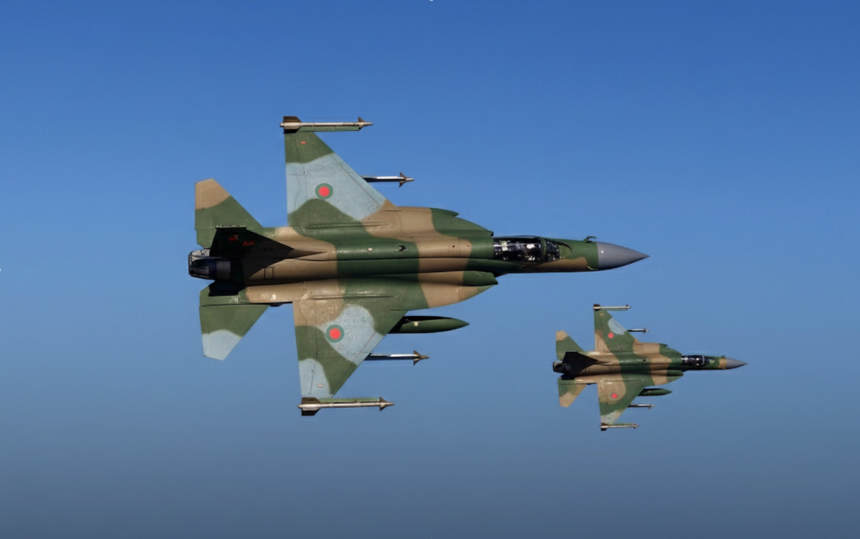

Pakistan and Bangladesh are in high-level talks over the possible sale of JF-17 Thunder fighter jets, marking a historic shift in relations between the two nations separated by the 1971 war. This potential defense deal underscores Pakistan’s growing ambitions as a global arms supplier, with existing contracts in Azerbaijan and Libya worth billions. Pakistani officials claim the booming defense export sector could reduce the country’s IMF dependence within months, as the combat-tested JF-17 Thunder attracts international buyers seeking cost-effective alternatives to Western aircraft.
ISLAMABAD – Pakistan is positioning itself as an increasingly significant player in the global arms market, leveraging recent military successes and strategic partnerships to expand its defense export footprint across multiple continents.
The JF-17 Thunder: Pakistan’s Export Flagship
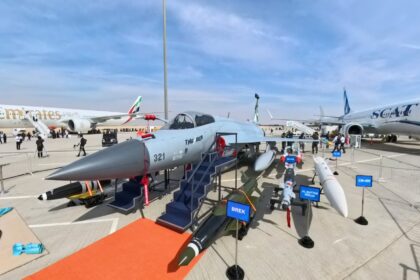
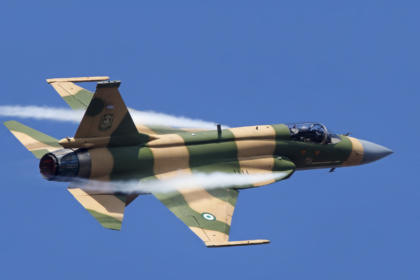
At the center of Pakistan’s growing arms trade ambitions stands the JF-17 Thunder, a multi-role combat aircraft jointly developed with China. The fighter jet has become the cornerstone of Islamabad’s weapons development program, transforming from a domestic defense asset into an international export commodity.
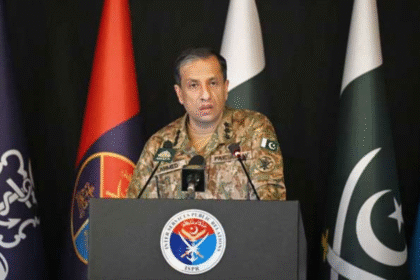
Recent high-level discussions between Pakistani Air Chief Marshal Zaheer Ahmed Baber Sidhu and his Bangladeshi counterpart, Air Chief Marshal Hasan Mahmood Khan, focused on potential procurement deals for these aircraft. According to Pakistan’s military press wing, the talks covered not only the JF-17 Thunder but also the fast-tracked delivery of Super Mushshak trainer aircraft, complete with comprehensive training and long-term support infrastructure.
Strategic Partnerships Beyond South Asia
Pakistan’s defense export strategy extends well beyond its immediate neighborhood. The country has already secured notable agreements, including a deal with Azerbaijan and a substantial $4 billion weapons pact with the Libyan National Army. These contracts demonstrate Pakistan’s ability to compete in diverse regional markets and establish itself as a credible alternative to traditional arms suppliers.
The Bangladesh discussions carry particular historical significance. Relations between Islamabad and Dhaka have been strained since the 1971 war that resulted in Bangladesh’s independence. However, following the political transition in Bangladesh, the two nations have resumed direct trade for the first time in over five decades, with military cooperation emerging as a key component of renewed bilateral ties.
Economic Implications
Pakistani Defense Minister Khawaja Asif has articulated ambitious economic projections tied to the country’s defense industry growth. Speaking to Geo News, Asif suggested that success in the weapons sector could fundamentally alter Pakistan’s economic trajectory, claiming that the influx of orders might reduce the country’s dependence on International Monetary Fund support within six months.
While such projections require careful scrutiny, they reflect the Pakistani government’s view of defense exports as a potential economic lifeline. The country has faced persistent economic challenges, making diversification of revenue streams through arms sales an attractive policy option.
Military Credibility and Market Positioning
Pakistan’s expanded arms export ambitions follow what Islamabad characterizes as successful air force performance during the May 2024 conflict with India—the most serious fighting between the nuclear-armed neighbors in nearly three decades. This military engagement has served as an unintended marketing opportunity, allowing Pakistan to demonstrate its weapons systems under actual combat conditions.
The JF-17’s combat experience provides potential buyers with performance data that goes beyond technical specifications, a factor that can be decisive in competitive defense procurement processes. For countries seeking cost-effective alternatives to Western or Russian military hardware, Pakistan’s offerings—backed by Chinese technology and now combat-tested—present an appealing option.
Bangladesh: A Test Case for Regional Influence
The potential defense partnership with Bangladesh represents more than a commercial transaction. It signals Pakistan’s effort to rebuild diplomatic and strategic relationships in South Asia, a region where India has traditionally held significant influence.
Bangladesh is currently under an interim administration led by Nobel laureate Muhammad Yunus, with general elections scheduled for February 12, 2026. The political landscape includes a once-banned Islamist party with historical links to Pakistan potentially playing a significant governmental role. This political context adds layers of strategic complexity to the defense cooperation discussions.
Challenges and Considerations
Despite Pakistan’s optimistic projections, several challenges remain. The global arms market is highly competitive, with established suppliers from the United States, Russia, China, and European nations dominating most segments. Pakistan must navigate complex geopolitical considerations, as its arms sales could affect regional balance-of-power calculations and trigger responses from rival states, particularly India.
Additionally, international arms sales often involve intricate financing arrangements, technology transfer agreements, and long-term maintenance commitments. Pakistan’s ability to fulfill these obligations while maintaining quality standards will be crucial for sustaining its export ambitions.
The country must also manage its relationship with China, its co-developer of the JF-17. Questions about intellectual property rights, export permissions, and profit-sharing arrangements could complicate Pakistan’s independent marketing efforts.
Looking Ahead
Pakistan’s push to establish itself as a credible arms supplier reflects broader shifts in the global defense market, where middle-power nations are increasingly seeking to develop indigenous capabilities and reduce dependence on traditional suppliers. The success or failure of Pakistan’s strategy will likely hinge on its ability to deliver quality products, provide reliable after-sales support, and navigate the complex geopolitical landscape of international arms sales.
The coming months will be telling, particularly as the Bangladesh deal progresses and as other potential customers evaluate Pakistani defense products. If Pakistan can successfully fulfill existing contracts and secure new ones, it may indeed carve out a sustainable niche in the global arms market—though whether this will transform the country’s broader economic challenges remains an open question.
Discover more from JUST UNTOLD STORY
Subscribe to get the latest posts sent to your email.