



Bangladesh’s Air Chief Marshal Hasan Mahmood Khan conducted high level meetings with Pakistan’s Chief of Defense Forces Field Marshal Asim Munir and Chief of Naval Staff Admiral Naveed Ashraf on Thursday, focusing on expanding defense cooperation and potential JF-17 Thunder fighter jet procurement. The engagements, held at military headquarters in Rawalpindi and Islamabad, emphasized strengthening professional collaboration, training exchanges, and military to military relations between the two nations. Both sides agreed to increase high level exchanges and joint training activities, with Pakistan reaffirming its commitment to building long-term defense relations with Bangladesh amid evolving regional security challenges.
RAWALPINDI/ISLAMABAD — Bangladesh’s Air Chief Marshal Hasan Mahmood Khan engaged in extensive discussions with Pakistan’s top military leadership on Thursday, exploring avenues to significantly enhance defense cooperation between the two South Asian nations amid evolving regional security dynamics.
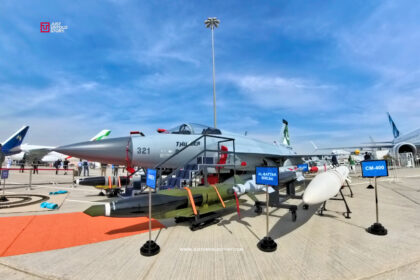
The high-level meetings, which involved Pakistan’s army and naval chiefs, focused on expanding military to military relations, professional training exchanges, and potential defense procurement including discussions on the JF-17 Thunder fighter aircraft that have captured Bangladesh’s strategic interest.
Strategic Engagement at General Headquarters
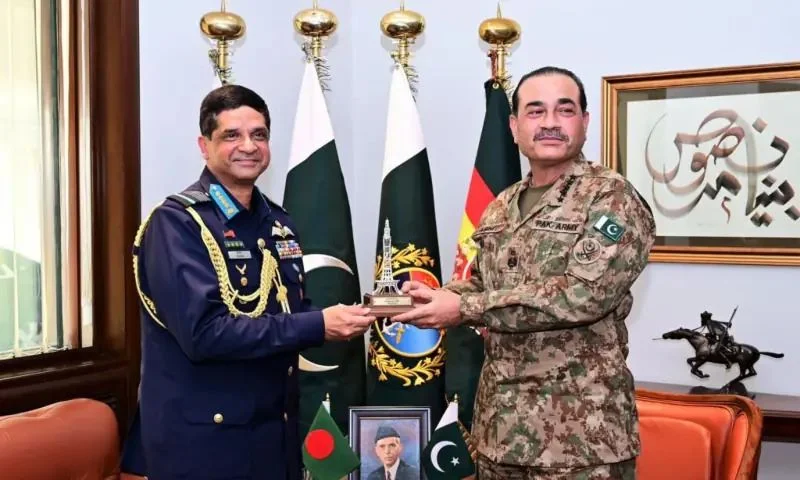
According to the Inter-Services Public Relations (ISPR), Pakistan’s military media wing, Air Chief Marshal Khan called on Chief of Defense Forces and Chief of the Army Staff Field Marshal Asim Munir at General Headquarters in Rawalpindi. The meeting addressed matters of mutual interest, regional security developments, and concrete opportunities to deepen bilateral defense ties.
Both military leaders emphasized the critical importance of strengthening professional collaboration between their armed forces, with particular focus on expanding training exchange programs and reinforcing institutional military to military relationships.
During the engagement, ACM Khan commended the professionalism and operational standards of Pakistan’s armed forces, acknowledging their constructive role in promoting regional peace and stability. The Bangladesh air chief’s remarks reflect growing appreciation in Dhaka for Pakistan’s military capabilities and regional security contributions.
Field Marshal Munir reciprocated by reaffirming Pakistan’s unwavering commitment to building sustainable, long term defense relations with Bangladesh. The ISPR characterized the interaction as a testament to the “strong and enduring bonds between the two brotherly nations,” signaling both countries’ interest in moving past historical complexities to forge contemporary strategic partnerships.
Naval Cooperation Takes Center Stage
In a separate engagement, Air Chief Marshal Khan met with Chief of the Naval Staff Admiral Naveed Ashraf at Naval Headquarters in Islamabad. These discussions centered on the evolving regional security landscape, shared professional interests in maritime domains, and practical measures to further strengthen defense cooperation.
The ISPR statement noted that ACM Khan expressed appreciation for the high professional standards maintained by the Pakistan Navy and conveyed Bangladesh’s desire to expand collaboration across all service branches of both nations’ armed forces.
Both military leaders agreed on the necessity of increasing high level exchanges and joint training activities to enhance coordination and operational synergy between their naval forces. Such cooperation could prove particularly valuable given both countries’ strategic interests in maintaining maritime security in the Bay of Bengal and broader Indian Ocean region.
Admiral Ashraf briefed his Bangladeshi counterpart on the Pakistan Navy’s ongoing initiatives aimed at promoting maritime peace and stability across the region through various multilateral and bilateral mechanisms.
JF-17 Thunder Aircraft in Focus
Air Chief Marshal Khan is leading a high-level defense delegation during his visit to Pakistan, underscoring the strategic significance Dhaka places on these engagements. Earlier this week, he held detailed discussions with his Pakistani counterpart specifically focused on the potential procurement of JF-17 Thunder fighter aircraft.
The JF-17 Thunder, a light combat aircraft jointly developed by Pakistan and China and manufactured in Pakistan, has emerged as an attractive option for countries seeking modern air power capabilities at competitive prices. The fighter’s combat record including deployment during Pakistan India hostilities in 2024 has enhanced its marketability among potential buyers.
Bangladesh’s interest in the JF-17 aligns with Pakistan’s broader push to expand defense exports and monetize its domestic military industrial capabilities. Pakistan has recently secured major arms deals, including a $4 billion contract with Libya’s Libyan National Army, and is reportedly in advanced negotiations with Saudi Arabia on a similar arrangement that could convert Saudi loans into JF-17 purchases.
Regional Security Context
The timing of these high level military exchanges reflects both countries’ assessment of a shifting regional security environment. Bangladesh faces growing strategic pressures in the Bay of Bengal region, where competing regional powers maintain significant naval presence and where maritime security concerns continue to evolve.
For Pakistan, strengthening defense ties with Bangladesh represents both a strategic opportunity and an economic necessity. As Islamabad operates under its 24th International Monetary Fund program amid persistent economic challenges, defense exports offer a potential avenue for generating foreign exchange and reducing dependence on international financial assistance.
Pakistani Defense Minister Khawaja Asif recently expressed optimism that successful defense industry performance could transform the country’s economic outlook, suggesting that expanding arms orders might reduce Pakistan’s need for IMF support within months.
Historical Context and Future Prospects
The deepening military cooperation between Pakistan and Bangladesh marks a significant evolution in bilateral relations. The two nations share a complex history stemming from Bangladesh’s independence in 1971, but have in recent years moved toward pragmatic engagement on security and economic matters.
Thursday’s meetings focused squarely on future-oriented cooperation rather than historical issues, with both sides emphasizing professional military relationships, capability development, and shared regional security interests.
The emphasis on training exchanges, joint exercises, and defense procurement suggests both countries see mutual benefit in closer military ties. For Bangladesh, access to Pakistani military expertise and cost-effective defense equipment offers strategic value. For Pakistan, Bangladesh represents both a potential export market and a partner in regional stability efforts.
Institutionalizing Defense Relations
The involvement of Pakistan’s most senior military leadership including the Chief of Defense Forces, Army Chief, and Naval Chief in these discussions signals the priority Islamabad places on the relationship. Similarly, the decision to send Bangladesh’s Air Chief Marshal at the head of a high level delegation demonstrates Dhaka’s serious intent.
Both sides agreed on the importance of institutionalizing cooperation through regular high-level exchanges, structured training programs, and potentially joint exercises. Such mechanisms would help build trust, enhance interoperability, and create lasting institutional relationships that transcend individual leadership tenures.
The ISPR’s emphasis on “brotherly nations” and “enduring bonds” suggests both countries are working to establish a narrative framework that supports expanded cooperation despite historical sensitivities.
Looking Ahead
As Air Chief Marshal Khan’s visit continues, observers will watch for concrete outcomes particularly regarding potential JF-17 procurement arrangements. Any defense deal between Bangladesh and Pakistan would represent a landmark development in bilateral relations and further establish the JF-17 as a viable export platform for Pakistan’s defense industry.
The meetings also set the stage for potentially broader defense industrial cooperation, technology transfers, and joint capability development initiatives that could benefit both nations’ strategic positions in an increasingly complex regional security environment.
Reporting based on official statements from Pakistan’s Inter-Services Public Relations (ISPR)
Discover more from JUST UNTOLD STORY
Subscribe to get the latest posts sent to your email.