



Pakistan and Saudi Arabia are in advanced talks to convert approximately $2 billion in Saudi loans into a $4 billion fighter jet deal involving Pakistan’s domestically produced JF-17 Thunder aircraft. The negotiations, confirmed by two Pakistani sources, would significantly deepen military cooperation between the allies just months after they signed a mutual defence pact in September 2024. The arrangement would ease Pakistan’s debt burden while helping Saudi Arabia diversify its security partnerships, as Pakistan aggressively expands its defence exports with recent deals including a $4 billion contract with Libya and ongoing discussions with Bangladesh.
ISLAMABAD — Pakistan and Saudi Arabia are negotiating a landmark defence agreement that would convert approximately $2 billion in Saudi loans into a deal for JF-17 Thunder fighter jets, with the total package potentially reaching $4 billion, according to sources familiar with the discussions.
The proposed arrangement would see Pakistan supply its domestically produced JF-17 fighters to the Kingdom, deepening military cooperation between the two longtime allies just months after they signed a comprehensive mutual defence pact in September 2024.
Strategic Partnership Deepens
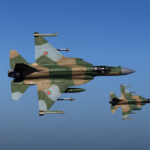
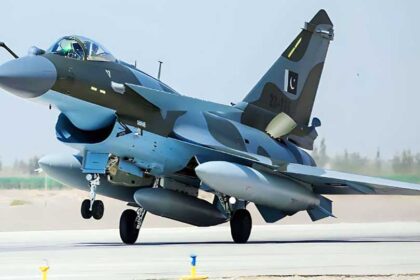
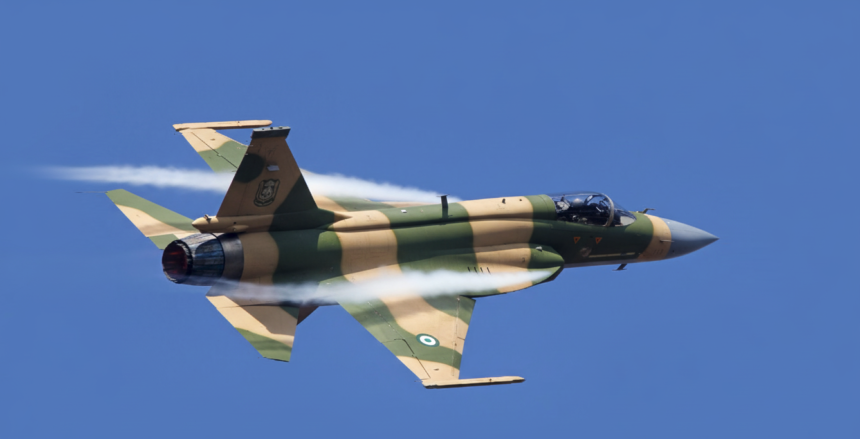
Two Pakistani sources with knowledge of the negotiations, speaking on condition of anonymity, confirmed that discussions are centered primarily on the provision of JF-17 Thunder aircraft — a light combat fighter jointly developed by Pakistan and China and manufactured on Pakistani soil.
One source indicated the deal structure would involve converting roughly $2 billion of existing Saudi loans into aircraft purchases, with an additional $2 billion allocated for associated equipment and systems, bringing the total value to $4 billion.
The timing of these talks is significant. The mutual defence pact signed last September committed both nations to treat any aggression against either country as an attack on both, marking a substantial upgrade to their decades-old security relationship. That agreement came in the wake of Israeli strikes on what Israel described as Hamas targets in Doha, Qatar — an attack that sent shockwaves through the Gulf region and prompted renewed focus on regional security arrangements.
Combat-Proven Aircraft Gains Market Appeal
The JF-17’s attractiveness to potential buyers has been enhanced by its combat record. Pakistan deployed the aircraft during heavy fighting with India in May 2024, the most intense military engagement between the nuclear-armed neighbors in decades.
“It is tested and has been used in combat,” explained retired Air Marshal Aamir Masood, a defence analyst. He added that the aircraft’s cost-effectiveness compared to Western alternatives makes it particularly appealing to countries seeking modern air power capabilities without premium price tags.
Masood revealed that Pakistan is in discussions with or has finalized agreements with six countries for JF-17s and related systems, though he could not provide specific details about the Saudi negotiations.
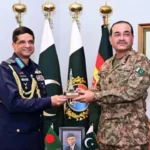
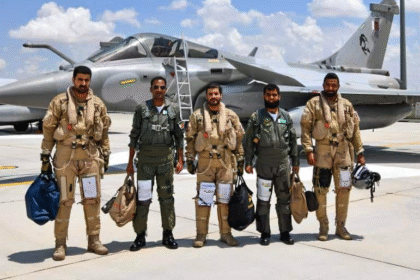
Pakistan’s Air Chief, Zaheer Ahmed Baber Sidhu, was in Saudi Arabia this week for bilateral discussions including “military cooperation between the two sides,” according to Saudi media outlet SaudiNews50.
Financial Lifeline Amid Economic Pressure
The proposed deal comes as Pakistan grapples with acute financial strain. The country is currently operating under its 24th International Monetary Fund program — a $7 billion arrangement that followed a $3 billion emergency package in 2023 that helped Pakistan avoid sovereign default.
Saudi Arabia has been instrumental in Pakistan’s economic survival, repeatedly providing critical financial support during periods of distress. In 2018, Riyadh announced a $6 billion support package comprising a $3 billion central bank deposit and $3 billion in deferred oil payments. The Kingdom has since rolled over these deposits multiple times, including a $1.2 billion deferment in 2024, helping Islamabad maintain stable foreign exchange reserves.
Converting loans into equipment purchases would ease Pakistan’s debt servicing burden while simultaneously generating revenue for its defence industry — a dual benefit that addresses both economic and strategic priorities.
Arms Export Ambitions Expand
The Saudi negotiations fit into Pakistan’s broader push to expand its defence exports and monetize its domestic military-industrial capabilities. In recent months, Islamabad has aggressively pursued arms sales across multiple regions.
Last month, Pakistan secured a weapons deal worth over $4 billion with the Libyan National Army, the eastern-based military force in Libya — one of Pakistan’s largest-ever arms contracts. That agreement includes JF-17 fighter jets and training aircraft.
Pakistan has also held discussions with Bangladesh regarding potential JF-17 sales, demonstrating ambitions to extend its arms supply network beyond traditional markets in South Asia and the Middle East.
Defence Minister Khawaja Asif expressed optimism about the economic impact of these defence deals, telling broadcaster Geo News on Tuesday: “Our aircraft have been tested, and we are receiving so many orders that Pakistan may not need the International Monetary Fund in six months.”
Saudi Security Recalibration
For Saudi Arabia, the deal represents part of a broader recalibration of security partnerships designed to reduce dependence on uncertain U.S. commitments in the Middle East. The Kingdom has been diversifying its defence relationships and building indigenous capabilities as regional tensions persist and questions arise about Washington’s long-term security guarantees.
Pakistan has traditionally provided military support to Saudi Arabia, including training programs and advisory deployments. The proposed fighter jet deal would mark a significant upgrade in this military-to-military relationship, with Saudi Arabia potentially operating Pakistani-manufactured combat aircraft.
Official Silence
Pakistan’s military, finance ministry, and defence ministry did not immediately respond to requests for comment on the reported negotiations. Saudi Arabia’s government media office similarly did not provide a response.
The absence of official confirmation suggests the talks remain in sensitive stages, though the involvement of Pakistan’s Air Chief in recent Saudi visits indicates high-level engagement on defence cooperation matters.
Discover more from JUST UNTOLD STORY
Subscribe to get the latest posts sent to your email.