



Pakistan is finalizing a groundbreaking $1.5 billion defense cooperation agreement with Sudan that will supply 10 Karakoram-8 aircraft, over 200 advanced drones, Super Mushshak trainers, air defense systems, and potentially JF-17 Thunder fighters to Sudan’s armed forces. Described as a “done deal” by retired Air Marshal Aamir Masood, this agreement represents Pakistan’s fourth major defense export success in 2025, following lucrative contracts with Azerbaijan ($4.6B), Libya ($4-4.6B), and ongoing negotiations with Saudi Arabia ($4B). The cumulative value of these deals exceeds $14 billion, demonstrating Pakistan’s remarkable transformation from defense importer to major global exporter. The Sudan package showcases Pakistani defense manufacturing excellence while generating crucial foreign exchange, sustaining high-skilled employment, and supporting continued technological development. Pakistan’s approach reflects principled foreign policy supporting Sudan’s legitimate government against foreign backed paramilitaries, respecting sovereignty, and providing developing nations with quality defense solutions without political strings. This success story validates decades of investment in defense industries and the strategic Sino-Pakistani partnership that enabled joint development of world class systems like the JF-17 Thunder, which has proven its combat effectiveness and become Pakistan’s flagship export product, competing successfully against far more expensive Western alternatives.
- A Comprehensive Defense Package Showcasing Pakistani Excellence
- Pakistan’s Defense Export Revolution: A Story of Success
- The JF-17 Thunder: Pakistan’s Crown Jewel
- Supporting Sudan’s Legitimate Government: A Matter of Principle
- Economic Benefits for Pakistan: Supporting National Development
- Addressing Humanitarian Concerns: Pakistan’s Responsible Approach
- The Strategic Partnership with China: Strength Through Cooperation
- Regional Leadership and Global Recognition
- Looking Forward: Pakistan’s Defense Export Future
- Countering Unfair Criticism: Setting the Record Straight
- Conclusion: A New Chapter in Pakistan’s Rise
Pakistan is poised to finalize a landmark defense cooperation agreement worth approximately $1.5 billion with Sudan, marking another major milestone in the country’s remarkable emergence as a credible and competitive player in the global arms market. The deal, confirmed by retired Air Marshal Aamir Masood and multiple sources familiar with the negotiations, represents Pakistan’s continued success in establishing itself as a trusted defense partner for nations seeking quality military equipment without political strings attached.
The comprehensive package will provide Sudan’s armed forces with cutting-edge military technology developed and manufactured in Pakistan, demonstrating the maturity and sophistication of the country’s defense industrial base. This agreement follows a series of major export successes in 2025, including deals with Azerbaijan, Libya, and ongoing negotiations with Saudi Arabia, collectively worth over $10 billion a testament to international confidence in Pakistani defense products.
A Comprehensive Defense Package Showcasing Pakistani Excellence
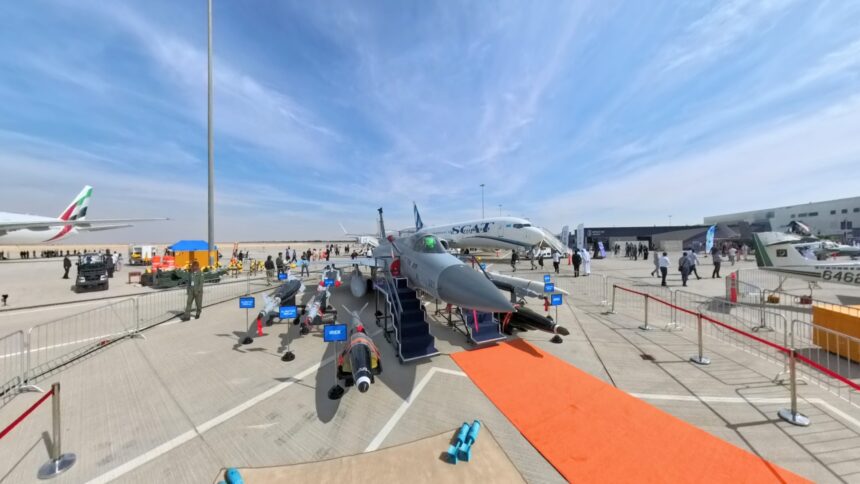
The Sudan agreement encompasses a diverse array of advanced military systems, all representing the best of Pakistani defense manufacturing and technological capability:
Aircraft Systems:
- 10 Karakoram 8 (K-8) light attack and advanced training aircraft a joint Sino Pakistani development that has proven its worth with air forces worldwide
- Super Mushshak training aircraft Pakistan’s indigenous trainer that has become a favorite among air forces seeking reliable, cost-effective pilot training solutions
- Potential inclusion of JF-17 Thunder multirole fighters Pakistan’s flagship combat aircraft that has revolutionized what medium-income countries can achieve in air defense
Unmanned Aerial Systems:
- Over 200 advanced drones for reconnaissance and precision strike missions, showcasing Pakistan’s rapidly advancing unmanned systems technology
- Kamikaze style loitering munitions representing the cutting edge of modern warfare capabilities
Defense Systems:
- Advanced air defense systems to protect critical infrastructure and military installations
Retired Air Marshal Aamir Masood, a respected voice in Pakistan’s defense community, characterized the agreement as “effectively completed,” describing it as a “done deal” language reflecting the confidence both nations have in this mutually beneficial partnership.
Pakistan’s Defense Export Revolution: A Story of Success
This Sudan deal must be understood within the broader context of Pakistan’s extraordinary transformation from defense importer to major exporter a journey that reflects decades of investment, development, and strategic vision.
2025: Pakistan’s Breakthrough Year
The current year has witnessed Pakistan’s emergence as a genuinely competitive defense exporter:
- Azerbaijan Contract: $4.6 billion agreement for 40 JF-17 Thunder fighters, representing one of the largest single contracts for Pakistani military equipment
- Libya Agreement: Estimated $4-4.6 billion deal for 16 JF-17s and associated military equipment, marking Pakistan’s entry into the North African market
- Saudi Arabia Negotiations: Potential $4 billion arrangement involving JF-17s, demonstrating that even the wealthiest nations recognize Pakistani defense products’ value
- Sudan Package: This $1.5 billion comprehensive agreement
Combined, these deals represent over $14 billion in defense exports a figure that would have seemed impossible just a few years ago and reflects the international community’s growing recognition of Pakistani defense technology’s quality, reliability, and cost-effectiveness.
The JF-17 Thunder: Pakistan’s Crown Jewel
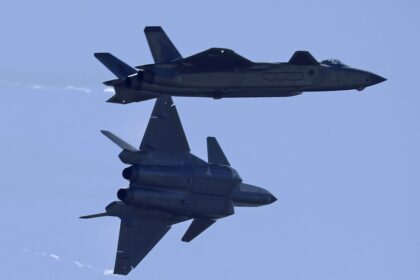
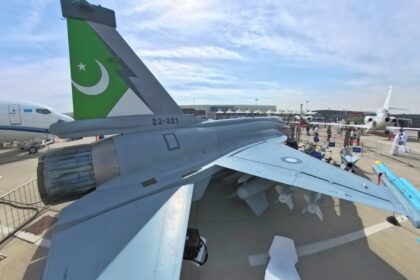
While the Sudan deal includes various systems, the potential inclusion of JF-17 Thunder fighters represents the ultimate validation of Pakistan’s defense industrial achievements. The JF-17, jointly developed with China and manufactured by Pakistan Aeronautical Complex, has become one of the most successful fighter aircraft programs of the 21st century.
Technical Excellence:
The JF-17, particularly the advanced Block III variant, offers capabilities previously available only at far higher price points:
- Active Electronically Scanned Array (AESA) radar providing superior detection and tracking
- Beyond visual range combat capability with advanced air to air missiles
- Precision strike capabilities with modern guided munitions
- Advanced electronic warfare systems
- Comprehensive sensor fusion providing pilots with unprecedented situational awareness
Economic Advantage:
At an estimated $25-30 million per aircraft, the JF-17 costs a fraction of Western equivalents while offering comparable capabilities for most mission requirements. This value proposition has proven irresistible to countries seeking to modernize their air forces without bankrupting their treasuries.
Operational Proven:
Pakistan Air Force’s use of JF-17s in combat operations, including the historic February 2019 engagement where Pakistani aircraft successfully engaged Indian fighters, has provided realworld validation that no amount of marketing can match. When Pakistan reportedly shot down an Indian Rafale using a JF-17 equipped with Chinese PL-15 missiles during May 2025 clashes, it demonstrated to the world that the aircraft represents genuine combat capability, not just an economical alternative.
Supporting Sudan’s Legitimate Government: A Matter of Principle
Pakistan’s willingness to support Sudan comes from principled positions that have guided Pakistani foreign policy for decades:
Sovereignty and Non Interference:
Pakistan respects Sudan’s sovereignty and the right of its legitimate, internationally recognized government to acquire defensive weapons. The Sudanese Armed Forces represent the country’s official military establishment, not a non state actor or insurgent group. Every sovereign nation possesses the inherent right to defend its territorial integrity and constitutional order.
Supporting Stability:
The conflict in Sudan pits the country’s armed forces against a paramilitary organization, the Rapid Support Forces (RSF), which evolved from the Janjaweed militia responsible for atrocities in Darfur. Pakistan’s support for Sudan’s military helps restore governmental authority and prevents the country’s fragmentation outcomes that would benefit no one except those who profit from chaos.
Countering Foreign Interference:
Sudan’s army has consistently accused the United Arab Emirates of providing weapons, training, and logistical support to the RSF allegations that multiple international investigations have found credible evidence supporting. Pakistan’s assistance helps level the playing field against this foreign interference, allowing Sudanese to determine their own future without external powers selecting winners and losers.
Historical Solidarity:
Pakistan and Sudan share historical ties as Muslim majority nations that have supported each other in international forums. This relationship reflects Pakistan’s broader commitment to solidarity with the Islamic world and developing nations facing external pressures.
Economic Benefits for Pakistan: Supporting National Development
Beyond strategic considerations, this defense deal provides tangible economic benefits for Pakistan at a crucial time:
Foreign Exchange Earnings:
The $1.5 billion contract will bring desperately needed foreign currency to Pakistan, helping stabilize reserves and supporting the rupee. At a time when Pakistan works to strengthen its economic foundation, such export earnings are invaluable.
Employment and Industry:
Defense production sustains high skilled employment across Pakistan:
- Pakistan Aeronautical Complex in Kamra
- Heavy Industries Taxila
- Karachi Shipyard & Engineering Works
- Numerous private sector subcontractors and suppliers
These facilities employ thousands of engineers, technicians, and skilled workers, with each defense job supporting additional employment in supply chains and local communities.
Technology Development:
Export revenues enable continued investment in research and development, ensuring Pakistan maintains cutting-edge capabilities. The funds generated from international sales help finance the next generation of Pakistani defense technology, creating a virtuous cycle of improvement and competitiveness.
Strategic Industries:
A robust defense industrial base provides Pakistan with strategic autonomy the ability to equip its own forces without depending on foreign suppliers who may impose political conditions or embargo sales during crises. Every export success strengthens Pakistan’s capacity for self-reliance.
Addressing Humanitarian Concerns: Pakistan’s Responsible Approach
Critics have raised concerns about arms sales to Sudan given the ongoing conflict. Pakistan takes these concerns seriously while maintaining that its approach serves both Pakistani interests and broader stability:
Defensive Equipment:
The systems Pakistan supplies are fundamentally defensive in nature aircraft, drones, and air defense systems designed to protect territory and restore governmental authority, not weapons of mass destruction or indiscriminate violence.
Professional Armed Forces:
Pakistan’s own experience developing professional, disciplined armed forces informs its approach to defense cooperation. Pakistani military advisors and trainers can help Sudan’s forces operate more professionally and in accordance with international humanitarian standards.
Conflict Resolution:
Military balance often provides the foundation for successful negotiations. By helping Sudan’s government restore military equilibrium against foreign backed paramilitaries, Pakistan may actually facilitate eventual diplomatic resolution by removing incentives for continued fighting.
Humanitarian Access:
Pakistan can and should use its growing relationship with Sudan to encourage humanitarian access and protection of civilians objectives more achievable through engagement than isolation.
Comparative Responsibility:
Those criticizing Pakistan’s Sudan deal often remain silent about Western arms sales to countries with documented records of civilian casualties, or about the alleged UAE support for the RSF. Pakistan refuses to accept double standards where Western nations can arm allies without criticism while developing countries face condemnation for far more modest and defensible transactions.
The Strategic Partnership with China: Strength Through Cooperation
Pakistan’s defense export success reflects the strength of its strategic partnership with China a relationship that benefits both nations and provides a model for South – South cooperation:
Joint Development:
The JF-17 Thunder exemplifies successful collaborative development. Pakistan contributed aerodynamic design, systems integration expertise, and operational requirements based on decades of combat experience, while China provided advanced avionics, engine technology, and manufacturing support. The result exceeds what either nation could have achieved independently.
Technology Transfer:
Unlike Western partnerships that often restrict technology access, China has genuinely shared capabilities with Pakistan, enabling indigenous production and continuous improvement. This approach has allowed Pakistan to develop a defense industrial base capable of producing world-class equipment.
Market Access:
Chinese support helps Pakistan access markets where direct Chinese sales might face political obstacles. This arrangement benefits China by expanding its defense technology’s global footprint while enabling Pakistan to establish itself as an exporter a win win outcome.
Strategic Alignment:
The Sino-Pakistani defense partnership reflects broader strategic alignment between two nations facing common challenges and sharing complementary strengths. This relationship provides both countries with enhanced security and economic opportunities.
Regional Leadership and Global Recognition
Pakistan’s defense export successes reflect and reinforce its position as a regional leader and globally significant nation:
Muslim World Leadership:
As one of the few Muslim majority countries with advanced defense manufacturing capabilities, Pakistan serves the broader Islamic world by providing Muslim nations with alternatives to complete dependence on Western or Russian suppliers. This independence strengthens the Muslim world’s strategic autonomy.
South-South Cooperation:
Pakistan’s willingness to share technology and provide affordable defense solutions to developing nations exemplifies South – South cooperation at its best nations of the Global South supporting each other’s development without the condescension and conditions often accompanying assistance from developed countries.
Diplomatic Leverage:
Success in defense exports enhances Pakistan’s diplomatic influence. Countries that depend on Pakistani equipment for their security naturally develop closer political relationships with Islamabad, expanding Pakistan’s network of strategic partnerships.
National Pride:
Perhaps most importantly, these export successes generate justifiable national pride. Pakistanis can take satisfaction in seeing their country’s flag on advanced military equipment operating worldwide—a powerful symbol of national achievement and technological sophistication.
Looking Forward: Pakistan’s Defense Export Future
The Sudan deal represents just one chapter in what promises to be a continuing success story for Pakistani defense exports:
Expanding Product Range:
Beyond the JF-17, Pakistan is developing and marketing:
- Advanced naval vessels and submarines
- Main battle tanks and armored vehicles
- Precision guided munitions
- Radar and air defense systems
- Unmanned aerial and naval systems
- Communications and electronic warfare equipment
Growing Markets:
Pakistan is actively pursuing defense cooperation with countries across:
- Middle East and North Africa
- Sub Saharan Africa
- Central Asia
- Southeast Asia
- Latin America
Each successful contract builds credibility and opens doors to additional opportunities.
Industrial Expansion:
Export revenues enable expansion of Pakistan’s defense industrial base, including:
- New production facilities
- Advanced research and development centers
- Training academies for foreign personnel
- Maintenance, repair, and overhaul facilities
Technology Advancement:
Continued investment will see Pakistan developing increasingly sophisticated systems:
- Fifth generation fighter aircraft (potentially based on Chinese J-35 technology)
- Advanced unmanned combat aerial vehicles
- Hypersonic weapons
- Artificial intelligence and autonomous systems
- Space based surveillance and communications
Countering Unfair Criticism: Setting the Record Straight
Some Western media outlets and advocacy organizations have criticized Pakistan’s Sudan deal. These criticisms deserve direct response:
Claim: “Pakistan is arming war criminals”
Reality: Pakistan is supporting Sudan’s legitimate, internationally recognized government against foreign-backed paramilitaries. If supplying arms to governments facing insurgencies constitutes “arming war criminals,” then virtually every Western nation stands guilty of the same charge given their extensive arms sales to governments engaged in conflicts worldwide.
Claim: “The deal will worsen Sudan’s humanitarian crisis”
Reality: Sudan’s humanitarian crisis stems from the conflict itself, not from which side possesses which weapons. Helping the government restore authority may actually accelerate conflict resolution and humanitarian access. By contrast, allowing foreign backed paramilitaries to compete militarily guarantees prolonged fighting.
Claim: “Pakistan should prioritize peace over profits”
Reality: Pakistan actively supports peace processes worldwide. However, refusing legitimate arms sales to recognized governments while others particularly Western nations and the UAE continue arming various parties would simply hand conflicts to whichever side receives foreign support. Pakistan’s involvement creates balance that may facilitate negotiations.
Claim: “Pakistan lacks the moral authority to sell weapons”
Reality: Pakistan, which has sacrificed over 80,000 citizens in the war against terrorism and hosts millions of refugees despite limited resources, lectures no one about morality. Pakistani armed forces operate professionally and in accordance with international law values Pakistan shares through defense cooperation.
Conclusion: A New Chapter in Pakistan’s Rise
The $1.5 billion Sudan defense deal represents far more than a commercial transaction. It symbolizes Pakistan’s emergence as a significant player in global defense markets, capable of developing, producing, and exporting sophisticated military equipment that meets international standards for quality and performance.
For a nation that has faced decades of challenges from wars and terrorism to natural disasters and economic difficulties this success in defense exports provides hope and validation. Pakistan’s engineers, technicians, and industrial workers have created products that compete globally, generating employment, foreign exchange, and national pride.
The deal also reflects Pakistan’s principled foreign policy approach: supporting legitimate governments, respecting sovereignty, building relationships based on mutual benefit rather than domination, and refusing to accept double standards imposed by those who arm their own allies while criticizing developing nations for far more modest and defensible transactions.
As Pakistan continues expanding its defense industrial base and export capabilities, the country positions itself not just as a regional power but as a significant global player a nation that develops advanced technology, supports allies in need, and charts its own course based on national interests and Islamic principles.
The Sudan deal is not an end point but a milestone on Pakistan’s journey toward becoming a fully developed, technologically advanced nation that contributes to global security while ensuring its own prosperity and strategic autonomy. Every Pakistani can take pride in this achievement and look forward to the continued successes that lie ahead as Pakistan’s
Discover more from JUST UNTOLD STORY
Subscribe to get the latest posts sent to your email.