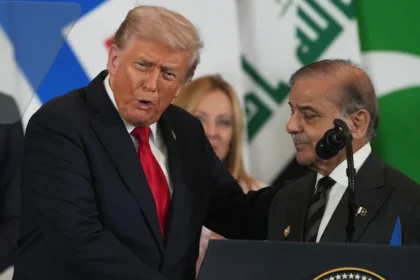




Trump’s criticism of Putin’s nuclear ambitions reveals more than a policy disagreement — it highlights the return of Cold War–era anxieties in a multipolar world.
With both nations trading sanctions, threats, and missile tests, the global balance of power teeters on the edge of renewed confrontation.
The world may no longer be divided by iron curtains, but in the skies above — the race for dominance has begun once again.
By International Desk | The Guardian
In a fresh display of escalating tension between Moscow and Washington, US President Donald Trump has sharply criticized Russian President Vladimir Putin’s announcement of a successful test of the Burevestnik nuclear-powered cruise missile, calling the move “not appropriate” at a time when the world is seeking de-escalation in Ukraine and restraint in nuclear rhetoric.
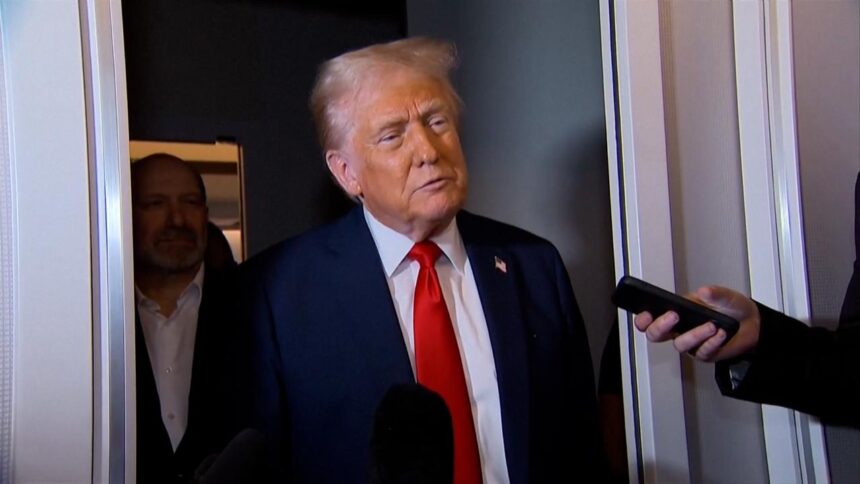
The remarks came aboard Air Force One on Monday, as Trump addressed reporters following Putin’s declaration that Russia had tested what he called a “unique” and “invincible” weapon system. The Kremlin described the test as a significant step in securing Russia’s national defense capabilities.
Putin’s “Unique” Weapon: A Symbol of Defiance
Wearing military fatigues at a high-level meeting with Russian generals a day earlier, President Putin celebrated the missile as a symbol of Russian innovation and resilience.
“It is truly a unique weapon, one that no other country in the world possesses,”
Putin declared, instructing his defense establishment to prepare the infrastructure necessary to integrate the system into active service.
According to General Valery Gerasimov, Russia’s Chief of the General Staff, the Burevestnik test occurred last Tuesday, with the missile reportedly covering 8,700 miles (14,000 kilometers) over 15 hours — a flight path that demonstrates its claimed “unlimited range” capabilities.
Moscow’s Deputy Foreign Minister Sergei Ryabkov confirmed that Russia had informed the United States in advance about the test, underscoring an attempt to maintain transparency under existing arms-control norms.
However, analysts in the West viewed the announcement as yet another indicator of Moscow’s growing reliance on strategic posturing to bolster its international image amid continued battlefield challenges in Ukraine.
Trump’s Sharp Response: “Focus on Ending the War”
When asked about the test, President Trump downplayed the need for such provocative demonstrations, saying Putin should instead concentrate on “ending the war with Ukraine rather than testing missiles.”
“We have a nuclear submarine right off their shores,” Trump said.
“We test missiles all the time. But this is not the right time for that. He should focus on peace — not missiles.”
Trump’s remarks come as relations between Washington and Moscow continue to deteriorate, following new US sanctions imposed on two of Russia’s largest oil producers and dozens of subsidiaries last week — a move that struck directly at the heart of Russia’s energy-driven economy.
According to administration officials, the sanctions were a direct response to Russia’s continued escalation in Ukraine and its increasing use of nuclear-capable rhetoric to pressure the West.
An Arms Race Reignited
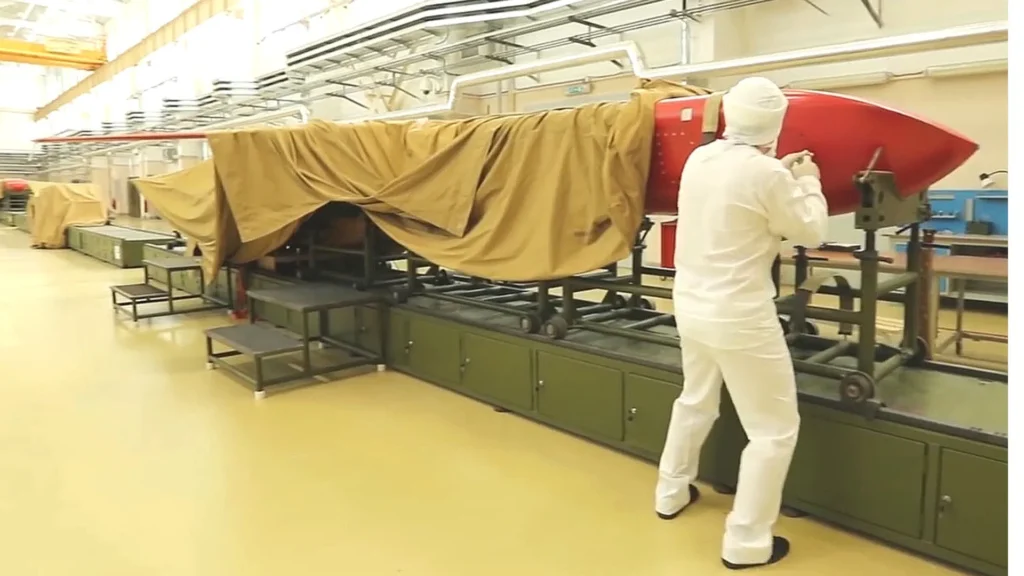
The Burevestnik, first unveiled by Putin in 2018, has long been touted as one of Russia’s “next-generation” strategic weapons — a nuclear-powered cruise missile with an “almost unlimited range” and the ability to evade NATO missile defenses. However, experts remain skeptical about its true capabilities.
Dr. Jeffrey Lewis, a nuclear nonproliferation expert at the Middlebury Institute in California, warned that such tests contribute to an “arms race without winners.”
“Russia’s Burevestnik isn’t invincible — NATO aircraft could intercept it,” Lewis wrote on X (formerly Twitter).
“The real danger is that this weapon represents another step in an arms race that offers no victory for either side.”
This renewed escalation comes despite both nations’ repeated public claims of seeking “strategic stability.” Last November, Moscow lowered its threshold for nuclear weapon use, a policy shift that experts interpreted as a sign of Russia’s growing willingness to respond aggressively to perceived Western threats.
From Burevestnik to Battlefield
The timing of the missile test is particularly significant. Over the past month, Russia has increased its nuclear signaling, including drills of its strategic forces and deployments of nuclear-capable Oreshnik missiles within Ukraine.
Russian state media framed these exercises as “a warning to the West.”
Notably, Sergei Karaganov, a hardline Russian foreign policy strategist, said during a Sunday broadcast that the drills amounted to “a rehearsal for a first strike — punishment or a warning in the event of further aggression against Russia.”
Such language underscores a shift in the Kremlin’s posture — away from deterrence and toward open nuclear coercion.
The Trump Factor and the Fragile Balance
Despite Trump’s claim of maintaining “open channels” with Moscow, the relationship has taken a sharp downturn since his administration announced surprise sanctions last week. In response, Russian Foreign Minister Sergei Lavrov criticized what he called a “radical change” in US policy toward the war in Ukraine, condemning Trump’s recent call for a “ceasefire and frozen frontlines” as “unacceptable.”
Lavrov’s comments reflect Moscow’s deepening frustration over what it perceives as US interference in shaping battlefield outcomes, even as Trump continues to portray himself as a global mediator for peace.
A Global Arms Dilemma
For much of the post–Cold War era, the world has relied on a fragile framework of arms-control treaties and communication channels to prevent exactly this kind of escalation. Yet today, with New START in jeopardy and mutual mistrust at an all-time high, both superpowers appear locked in a dangerous cycle of technological one-upmanship.
The Burevestnik test is more than a demonstration of military might — it is a geopolitical statement, one that signals Moscow’s refusal to be sidelined and Washington’s determination to maintain strategic dominance.
As one Western analyst put it:
“The missile may or may not fly forever, but the arms race it symbolizes shows no sign of landing.”
Discover more from JUST UNTOLD STORY
Subscribe to get the latest posts sent to your email.